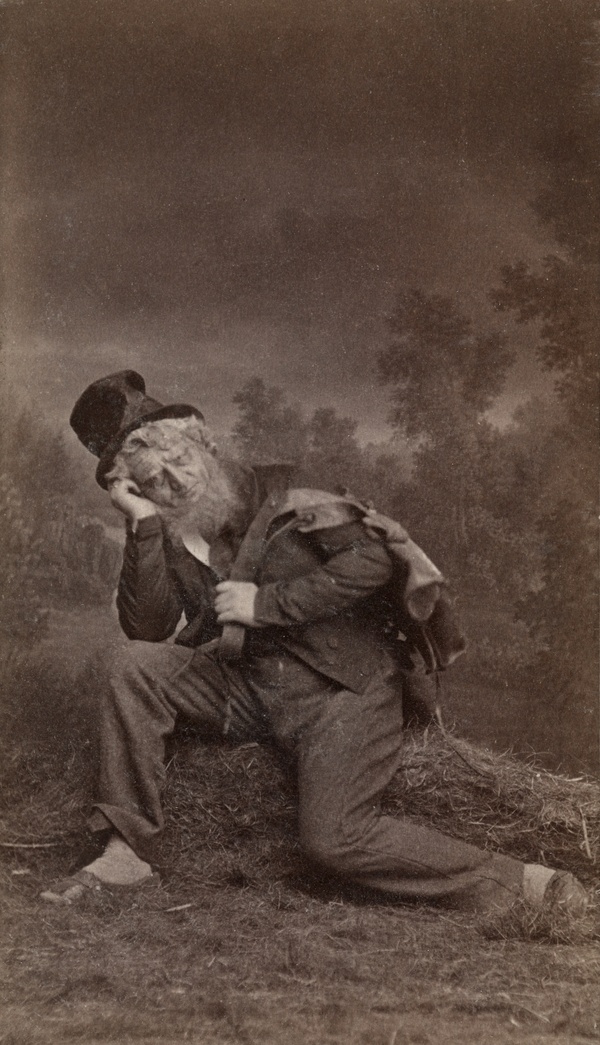
Peer Gynt: Ibsen's Timeless Saga of Truth, Lies, and Escapism
"Peer, you're lying! You're lying!" These impassioned words, hurled by a mother at her fantastical son, ignite the journey into one of literature's most profound explorations of human nature: Henrik Ibsen's *Peer Gynt*. First brought to the stage on February 24, 1876, with the unforgettable music of Edvard Grieg, this dramatic poem-turned-play remains a captivating and often unsettling mirror reflecting our deepest desires, our grandest delusions, and our eternal quest for self-truth. More than a century after its premiere, the work continues to challenge audiences and directors alike, probing the very fabric of identity against a breathtaking Norwegian backdrop.
Unmasking the Mind of the Autor Von Peer Gynt: Henrik Ibsen
When contemplating the immense impact of *Peer Gynt*, one invariably turns to its creator, the masterful playwright Henrik Ibsen. For those familiar with literary puzzles or simply seeking the architect behind this theatrical marvel, the answer to "Autor Von Peer Gynt" is a succinct and potent name: Ibsen. Born in 1828 in Skien, Norway, Ibsen emerged as a towering figure in world literature, often hailed as the father of modern drama. His plays, characterized by their psychological realism and piercing social commentary, dared to strip away the veneer of societal convention and expose the complexities of the human psyche.
Ibsen's own life, marked by early professional disappointments and a self-imposed exile in Italy, provided fertile ground for the themes explored in *Peer Gynt*. He understood the allure of escaping a difficult reality and the yearning for a grander existence. His personal struggles and observations of human frailty undoubtedly infused Peer Gynt's character with an authenticity that transcends the fantastical elements of the narrative. This deep, personal connection to the story made Ibsen not just the writer but a spiritual guide through Peer's labyrinthine journey.
The Genesis of a Myth: From Folklore to Stage
The seed for *Peer Gynt* was sown not purely from Ibsen's imagination, but from the rich soil of Norwegian folklore. Ibsen drew inspiration from Peter Christen Asbjørnsen's collection of "Norwegian Fairy Tales," particularly tales featuring a boastful, larger-than-life character named Peer Gynt. What truly captivated Ibsen, however, was his conviction that a real Peer Gynt had once walked the earth. "Peer Gynt truly existed," Ibsen wrote to his Danish publisher, convinced the character lived in the Gudbrand Valley around the late 18th or early 19th century. This belief propelled him to embark on a research trip to the mountainous western coast of Norway in the early 1860s, seeking to imbue his literary creation with a sense of historical grounding. You can delve deeper into Ibsen's quest for inspiration in
The Real Peer Gynt: How Henrik Ibsen Found His Iconic Character.
Initially, Ibsen conceived *Peer Gynt* not as a play, but as a dramatic poem, a literary experiment published as a book in 1867, a year after his breakthrough drama *Brand*. The format allowed him boundless creative freedom, unbound by the practicalities of staging. However, the sheer dramatic power and poetic brilliance of the work soon demanded a theatrical adaptation. This transition marked a crucial phase, leading to the legendary collaboration with composer Edvard Grieg, who was commissioned to create the "necessary music." Grieg's evocative score, including iconic pieces like "Morning Mood" and "In the Hall of the Mountain King," became inseparable from the play, elevating its emotional impact and cementing its place in popular culture. The synergy between Ibsen's text and Grieg's music culminated in the electrifying premiere on February 24, 1876, an event that heralded a new era for Norwegian theatre. Discover more about this pivotal collaboration and its grand debut in
Ibsen & Grieg: The 1876 Premiere of Peer Gynt's Theatrical Power.
Peer Gynt's Journey: Escapism, Self-Deception, and the Search for Self
At its heart, *Peer Gynt* is a scathing yet empathetic critique of a man who lives a life of elaborate self-deception. From the opening scene, where Peer spins a wild tale of riding a reindeer on a dizzying ridge, we witness his inherent tendency to embellish, to fabricate, to escape. His mother, the long-suffering Åse, often begins by reprimanding him for his lies, yet she, too, eventually succumbs to the hypnotic power of his storytelling. Peer's fantastical narratives aren't mere entertainment; they are a shield, a refuge from a harsh and "unbearable reality."
This reality includes the ignominious fate of his father, who drank himself to death, plunging the family into poverty and disgrace. Peer faces social ostracism and bullying, driving him deeper into his self-made world where he is always the hero – an emperor, desired by women, admired by men. His life becomes a restless odyssey, chasing one dream after another, one love after another, across continents and through various guises: a wealthy businessman, a prophet, a colonial slave trader.
Yet, despite his worldly adventures and fabricated successes, a gnawing emptiness persists within him. Ibsen brilliantly portrays this hollowness as Peer grapples with the question of identity. He constantly tries to shed his past, to reinvent himself, adopting new personas without ever truly discovering who *he* is at his core. His famous philosophy, "to be oneself is to be oneself enough," rings hollow when he lacks a genuine self to *be*. The play forces us to confront uncomfortable questions: Are we defined by our actions, our stories, or something deeper? What are the consequences of living a life devoid of genuine connection and honest self-reflection? Peer’s journey is a stark reminder that escaping reality ultimately leads to an inescapable encounter with one's own unfulfilled potential.
Enduring Legacy and Modern Interpretations
Over a century after its debut, *Peer Gynt* continues to challenge and provoke. Its sprawling narrative, blending realism with surrealism, folklore with philosophy, presents a formidable task for directors. Is it, as Christopher Rüping of Schauspielhaus Zürich once suggested, "a sole plea for escapism," a celebration of the human imagination's boundless capacity to invent? Or is Peer, as Jan Bosse staged him in 2009 with the exceptional actor Jens Harzer, a "seeker of knowledge," albeit one who takes the most circuitous and self-destructive path to enlightenment?
The ambiguity of Peer's character, his blend of charm and moral failings, makes him a potent canvas for contemporary interpretations. Directors like Stefan Bachmann of Cologne's Schauspielhaus have even explored parallels between Gynt's penchant for creating "alternative realities" and modern political figures, demonstrating the play's enduring relevance in an age grappling with truth and fabrication.
The timelessness of *Peer Gynt* lies in its universal exploration of human nature. It delves into themes that resonate deeply with modern audiences: the pursuit of external validation, the fear of commitment, the seductive power of fantasy, and the ultimate necessity of confronting one's true self, flaws and all. The play is not just a historical masterpiece; it's a living, breathing commentary on the human condition, inviting us to examine our own relationship with truth, our own escapes, and our own elusive search for identity. When engaging with *Peer Gynt*, consider not just the grand spectacle, but the introspective questions it poses about authenticity and the courage it takes to truly *be oneself*.
In conclusion, Henrik Ibsen, the undeniable "Autor Von Peer Gynt," bequeathed to the world a work of staggering complexity and profound insight. *Peer Gynt* transcends its origins as a Norwegian folk tale, becoming a global saga that critiques the dangers of self-deception while simultaneously celebrating the imaginative spirit. Its theatrical power, amplified by Grieg's magnificent score, ensures its place as a cornerstone of dramatic literature, continuously prompting us to question what it truly means to live an authentic life in a world teeming with both harsh realities and tempting fantasies.