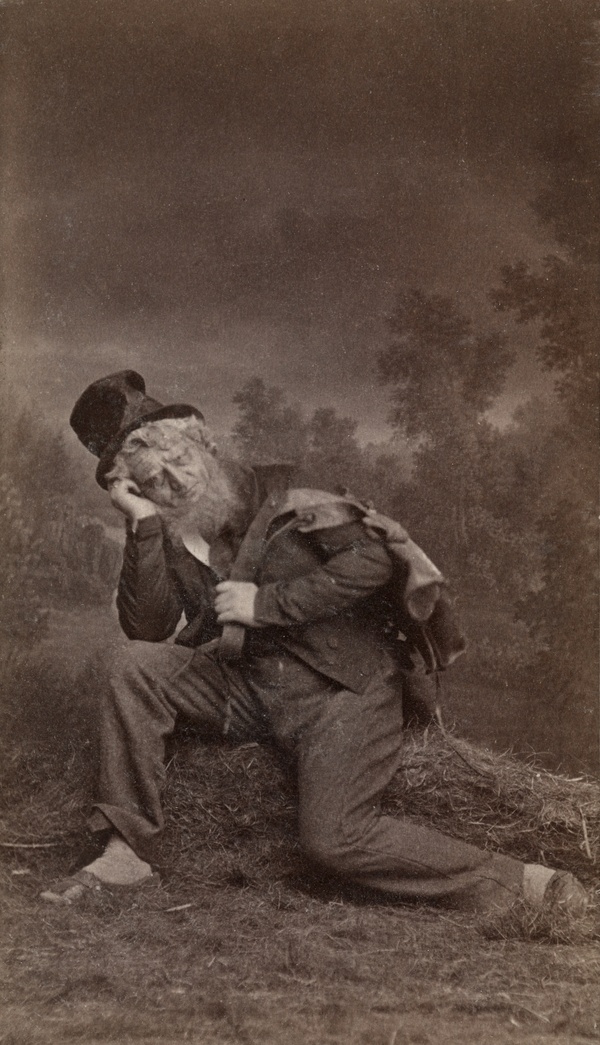
Henrik Ibsen: The Visionary Autor Von Peer Gynt
When discussing the towering figures of world literature, few command as much respect and fascination as Henrik Ibsen. This Norwegian dramatist, born in 1828, etched his name into history with a series of groundbreaking plays that challenged societal norms and delved deep into the human psyche. Among his most iconic creations is the character of Peer Gynt, a figure whose journey from boastful fantasist to a soul-searching wanderer continues to captivate audiences and scholars alike. The definitive
Autor Von Peer Gynt is, without question, Ibsen, whose genius forged a character that is as complex and contradictory as life itself.
Ibsen’s own life experiences, marked by early struggles and a self-imposed exile in Italy, profoundly shaped his artistic vision. It was during these years abroad, away from the perceived "narrowness" of his homeland, that the inspiration for Peer Gynt truly took hold. While he had achieved a significant breakthrough a year prior with his dramatic poem
Brand, it was the story of Peer that allowed him to explore themes of identity, escapism, and the search for an authentic self with unparalleled depth.
The Genesis of a Legend: From Folk Tale to Ibsen's Masterpiece
The seed for Peer Gynt was not entirely Ibsen's original invention. He drew inspiration from the rich tapestry of Norwegian folklore, specifically tales collected by Peter Christen Asbjørnsen. However, Ibsen's genius lay in his ability to transform a folkloric character into a complex literary figure. He didn't just borrow a name; he breathed life into a legend, giving it psychological depth and universal resonance.
Crucially, Ibsen believed that Peer Gynt was more than just a fictional construct. He embarked on a research journey to the mountainous regions of Norway's west coast in the early 1860s, convinced that a real Peer Gynt had once existed. In letters to his Danish publisher, Ibsen stated, "Peer Gynt has really existed. He lived in Gudbrandsdalen, probably at the end of the last or the beginning of this century." This belief in a historical counterpart imbued the dramatic poem with a layer of realism, even amidst its fantastical elements. It also reflected Ibsen's personal connection to the character; he saw parallels between Peer's flight from an unpalatable reality and his own expatriate life, a struggle to define himself away from societal expectations.
Initially conceived not as a theatrical play but as a dramatic poem,
Peer Gynt was published as a book in 1867. This form allowed Ibsen a freedom of expression that might have been constrained by the practicalities of the stage at that time. It was a sprawling, episodic work, brimming with poetic language, philosophical musings, and fantastical adventures, laying the groundwork for the future stage phenomenon.
Who is Peer Gynt? A Journey Through Lies and Self-Discovery
At its heart,
Peer Gynt is a profound character study of its titular hero. The play opens with Peer's mother, Åse, exclaiming, "Peer, you lie! You lie!" – a declaration that immediately establishes the character's defining trait. Peer is a master storyteller, a fabulist who spins elaborate tales to escape the harsh realities of his life. His father's alcoholism has left the family in ruin, and Peer himself is a social outcast, ridiculed and bullied. His fantastic narratives are not just idle boasts; they are a coping mechanism, a way to construct an alternative reality where he is an emperor, desired by women, and admired by men.
Peer's journey is one of relentless motion and constant self-reinvention. He flees from one situation to the next, from one love interest to another, always seeking an idealized version of himself that remains just out of reach. He imagines himself as a glorious figure, yet he consistently avoids genuine commitment and responsibility. This perpetual flight leads him through a series of epic adventures: he abducts a bride, encounters trolls, navigates the complexities of the desert, and even becomes a prophet.
However, beneath the bravado and the endless pursuit of external validation, Peer harbors a growing emptiness. His quest to be "himself enough" leads him to realize that he has spent his life trying to be everything but himself. This internal conflict is what makes Peer Gynt such a compelling and enduring character. He embodies the universal human struggle between aspiration and reality, truth and self-deception, and the profound need for identity and belonging. The enduring relevance of Peer Gynt lies in its unflinching examination of these themes, making it a masterpiece by the renowned
Autor Von Peer Gynt.
For a deeper dive into the play's themes, consider exploring
Peer Gynt: Ibsen's Timeless Saga of Truth, Lies, and Escapism.
From Page to Stage: The Enduring Power of Peer Gynt
While initially conceived as a dramatic poem, the immense popularity and literary merit of
Peer Gynt soon led to plans for a stage adaptation. This transition would be transformative, largely due to a brilliant collaboration between Ibsen and his compatriot, the celebrated composer Edvard Grieg. Ibsen specifically requested Grieg to compose the "necessary music" for the theatrical production, a partnership that would elevate the work to new heights.
The combination of Ibsen's evocative poetry and Grieg's hauntingly beautiful and atmospheric score proved to be a stroke of genius. The iconic melodies, such as "Morning Mood" and "In the Hall of the Mountain King," became inseparable from the play, adding an emotional depth and dramatic flair that solidified its place in theatrical history. The stage premiere of
Peer Gynt, with Grieg's music, took place on February 24, 1876. This event marked a pivotal moment, presenting audiences with a theatrical experience unlike any other, merging drama, poetry, and music into a powerful artistic statement. For more details on this historic collaboration, read
Ibsen & Grieg: The 1876 Premiere of Peer Gynt's Theatrical Power.
Even today,
Peer Gynt continues to challenge directors and actors, proving its enduring relevance. Its sprawling narrative, complex character, and philosophical depth make it a formidable undertaking. Modern interpretations of the play vary widely, reflecting its multifaceted nature:
- Some view it as a powerful "plea for escapism," as suggested by Christopher Rüping of the Schauspielhaus Zürich, highlighting Peer's masterful creation of alternative realities.
- Others, like Jan Bosse's 2009 production featuring Jens Harzer, interpret Peer as an "explorer of knowledge," whose constant searching, however misguided, is a form of self-discovery.
- Intriguingly, directors like Stefan Bachmann of the Kölner Schauspielhaus have even drawn parallels between Gynt and contemporary political figures, seeing him as a precursor to those who use "alternative facts" to shape public perception. This interpretation underscores how Ibsen's exploration of truth, lies, and perception resonates with modern societal debates.
These diverse interpretations are a testament to the richness and adaptability of Ibsen's writing. They demonstrate that the questions Peer Gynt grapples with – about identity, integrity, and the pursuit of self – are timeless and continue to provoke thought and discussion across generations.
Understanding Peer Gynt: Practical Insights for the Modern Reader
Engaging with
Peer Gynt today offers several valuable insights:
- Examine Self-Deception: Peer's constant lying and fantasizing serve as a powerful metaphor for our own tendencies to avoid uncomfortable truths or present an idealized version of ourselves to the world. It prompts introspection: Where do we construct our own "alternative realities"?
- The Cost of Escapism: While escapism can be a temporary coping mechanism, Peer's journey reveals its ultimate emptiness when it prevents genuine connection and self-realization. The play encourages us to confront our circumstances rather than perpetually flee from them.
- The Quest for Identity: Peer's lifelong search for what it means to be "himself" is a universal theme. The play suggests that true identity is not found in external validation or grand adventures, but in inner consistency and integrity.
- Embrace Complexity: Ibsen never presents Peer as purely good or evil. He is a flawed, often frustrating, but undeniably human character. This challenges us to appreciate the complexities of human nature and resist simplistic judgments.
To truly appreciate the nuances of
Peer Gynt, consider reading it aloud, attending a theatrical production, or listening to Grieg's accompanying suites. Each experience offers a different lens through which to view Ibsen's intricate masterpiece.
Conclusion
Henrik Ibsen, the unparalleled
Autor Von Peer Gynt, bequeathed to the world a work of art that transcends its time and cultural origins. From its roots in Norwegian folklore and Ibsen's personal quest for meaning,
Peer Gynt emerged as a vibrant dramatic poem that later transformed into an iconic theatrical experience with Edvard Grieg's unforgettable music. Peer Gynt’s tumultuous journey – marked by lies, epic adventures, and a profound search for self – continues to mirror the human condition, challenging audiences to reflect on truth, identity, and the elusive nature of an authentic life. It remains a powerful testament to Ibsen's genius and a cornerstone of world literature, forever solidifying his legacy as one of the most insightful dramatists in history.